The Safari Experience

The Safari Experience
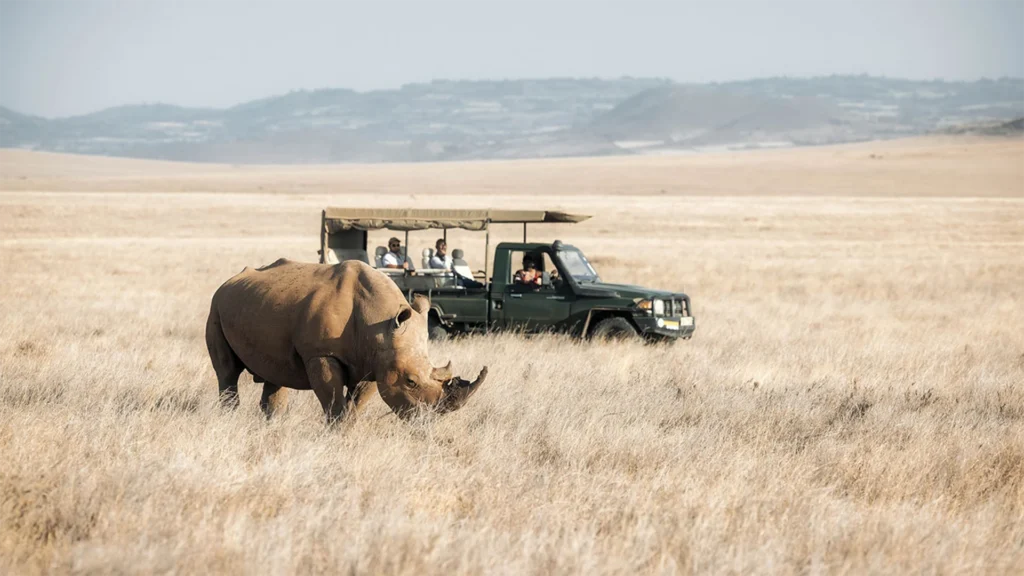
There is a particular kind of silence that settles over the Serengeti just before the herds move, a stillness photographers learn to read like a held breath before the shutter clicks. This 15-day journey through Tanzania and Kenya is built for that moment, and the hundred others like it: a lioness lifting her head at first light in Naboisho, a black rhino emerging from indigenous forest in the shadow of Mount Kenya, a million wildebeest committing to the crossing at the Mara River.
This is a classic photography safari in the truest sense. You will move slowly enough to wait for the light, stay long enough to learn the rhythms of each landscape, and travel through some of the most photographed (and still most rewarding) wilderness on the continent. From the kopjes of the Lamai Wedge to the rhino sanctuaries of Laikipia and the lion-dense conservancies of the Maasai Mara, this itinerary is designed around patience, positioning, and the kind of access that only comes from twenty years of knowing exactly where to be, and when.
Whether you shoot with a single body and a 70-200mm or travel with a case full of glass, every camp on this route has been chosen for one reason above all others: the photography is exceptional.
Detailed Safari
Day 1: Arusha Arrival into Kilimanjaro
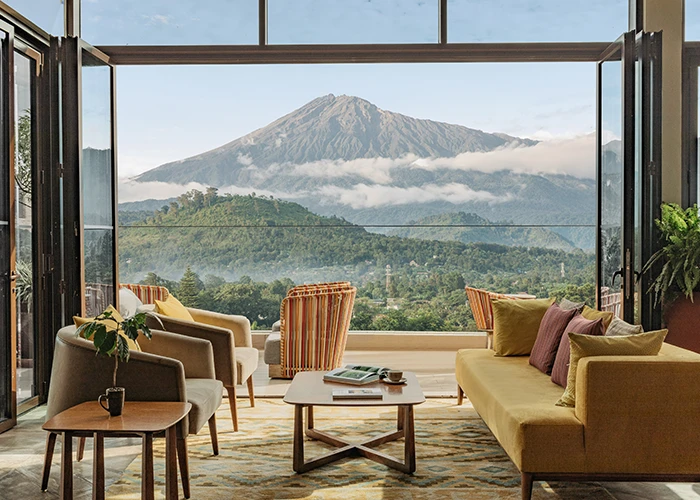
You touch down at Kilimanjaro International Airport with the mountain itself often visible on a clear afternoon, its snowcap catching the last of the light. A short transfer brings you into Arusha, Tanzania’s safari capital, where you’ll spend your first night settling in, adjusting to the time zone, and going over the days ahead with your guide. Use the evening to check your gear, charge your batteries, and rest. Tomorrow, the real journey begins.
Day 2: Fly into the Serengeti Lamai Area
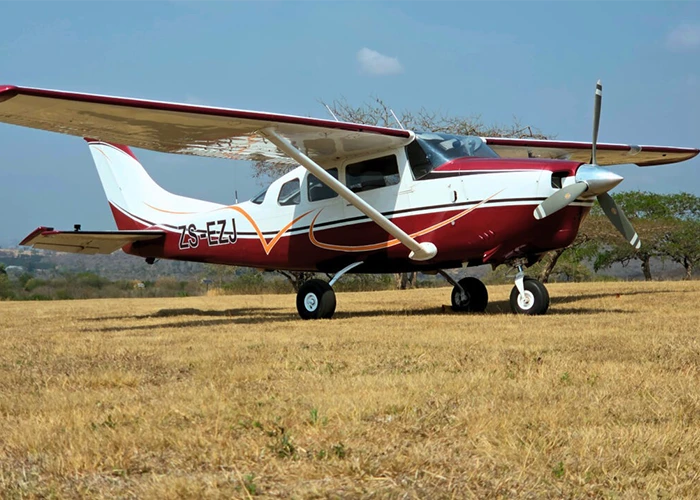
A scenic light aircraft flight carries you north over the Serengeti’s endless plains and into the Lamai Wedge, a remote, granite-strewn corner of the northern Serengeti tucked between the Mara River and the Kenyan border. From the air, you will already start to see why this region rewards photographers more than almost anywhere else in East Africa: vast herds scattered like punctuation across golden grass, kopjes rising out of the plains like islands.
You’ll land at Kogatende airstrip and transfer to your camp on the Kogakuria Kopje, where granite boulders frame sweeping views in every direction. Settle in before an afternoon game drive into the surrounding plains, where resident lion prides behave with a wildness rarely seen closer to the main reserve roads.
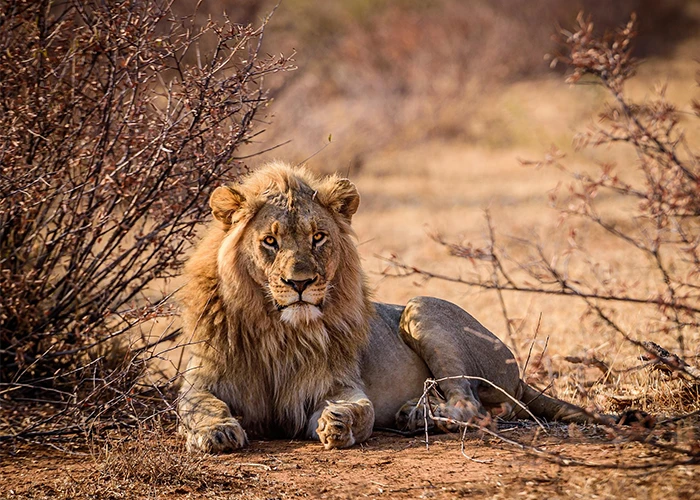
Day 3, 4 & 5: Serengeti National Park
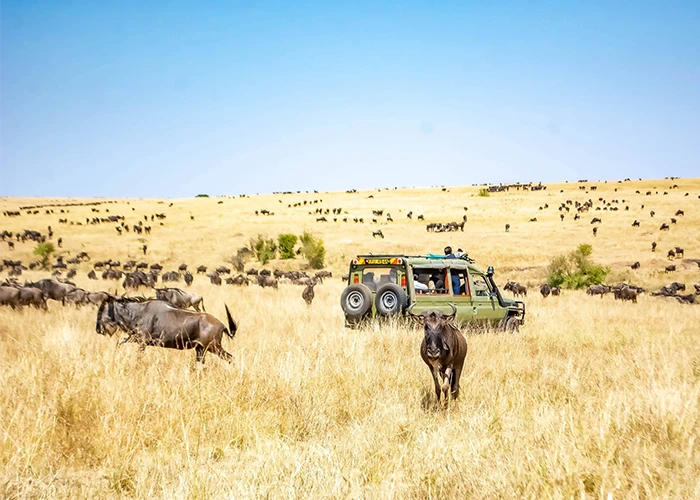
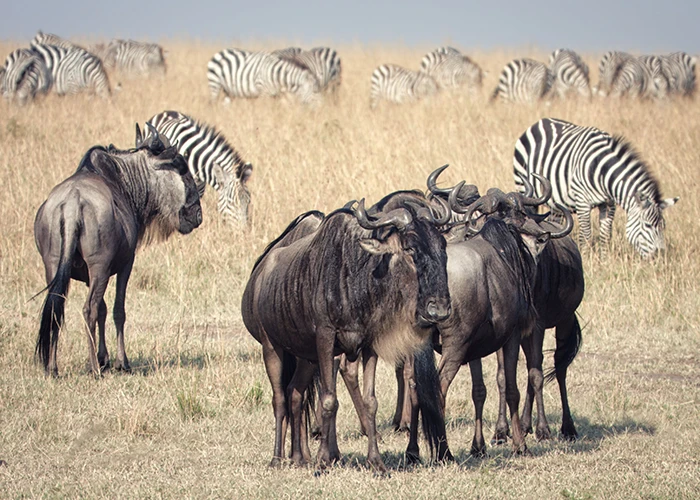
Three full days to work this extraordinary corner of the Serengeti, timed around the rhythm of light rather than the clock. Mornings begin early, often with a picnic breakfast packed for the field, as you head out toward the Mara River in search of the wildebeest and zebra herds that gather along its banks. If your visit coincides with the crossing season, you’ll have a front-row position for one of the most dramatic wildlife events on earth: thousands of animals committing to the river in a single, chaotic surge, crocodiles waiting beneath the surface.
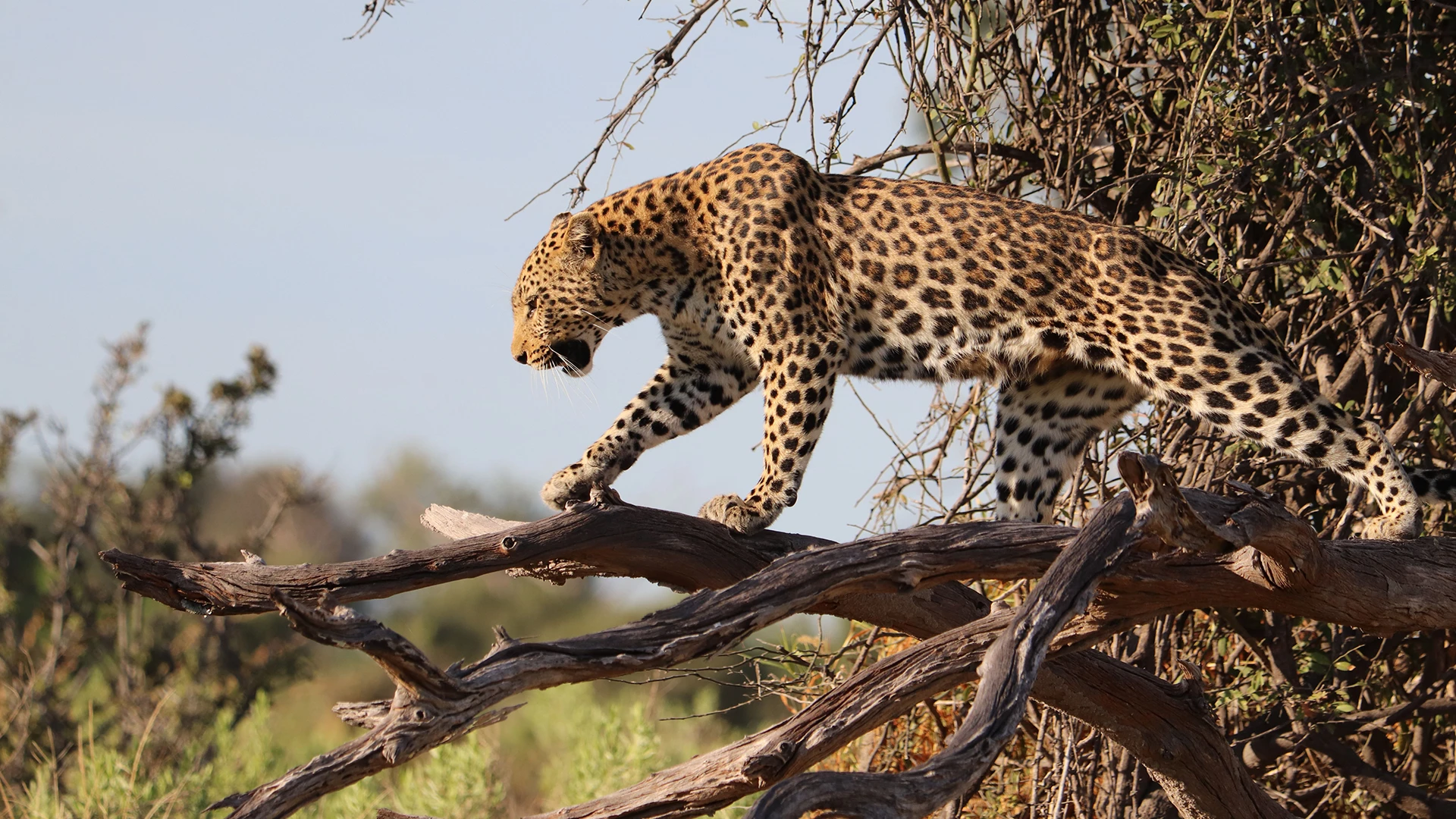
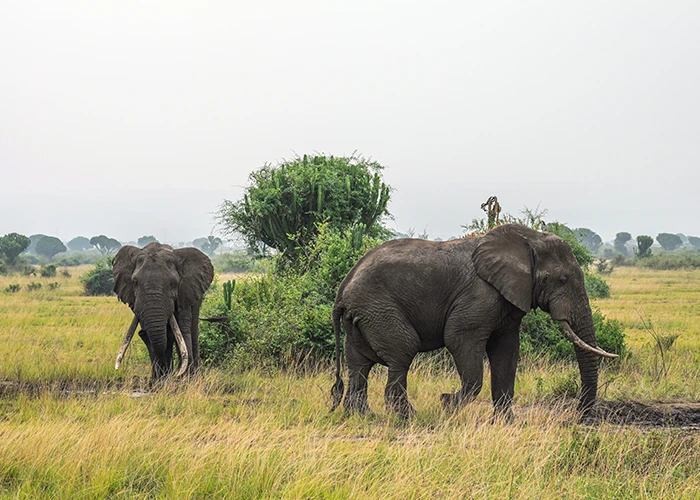
Beyond the river, the Lamai Wedge holds coalitions of lions that hunt with a confidence born from low vehicle traffic, along with leopards moving through riverine woodland and elephant herds drifting between acacia stands. Your guides understand light and positioning, working each sighting from the angle that serves your camera rather than simply the nearest vantage point. Afternoons may bring a second drive toward the Wogakuria kopjes, where evening light turns the granite gold, or time back at camp to review your morning’s images on the open deck, Serengeti plains stretching out below.
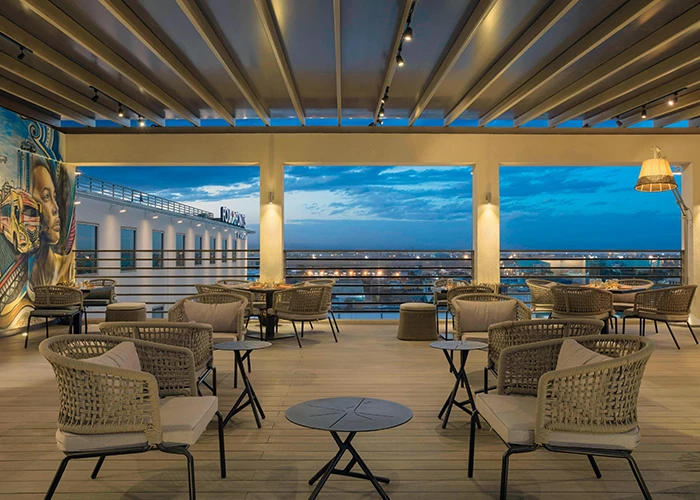
Day 6: Fly to Nairobi
A flight south carries you out of Tanzania and into Nairobi, where you’ll spend a single night. It’s a natural pause point: a chance to back up image files, repack for the cooler highlands ahead, and enjoy a proper dinner before the next leg of the journey.
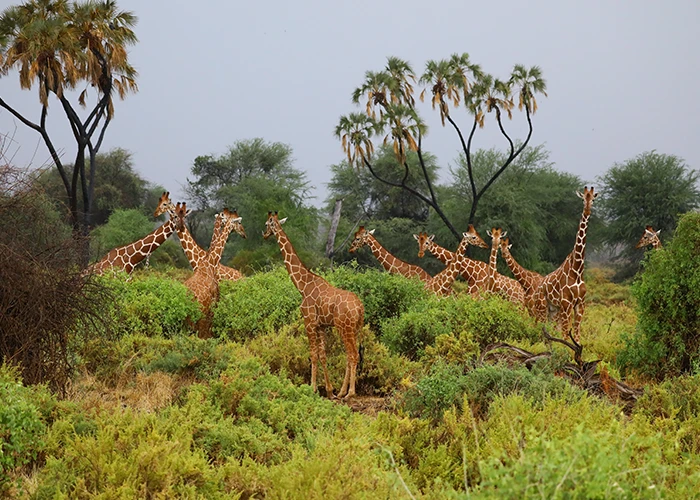
Day 7: Fly to Laikipia Wilderness Camp
This morning’s flight takes you into Central Laikipia, a high, unfenced wilderness at the edge of the Great Rift Valley that feels worlds away from the more familiar safari circuits. You’ll settle into Laikipia Wilderness Camp, an intimate, family-run property set on a hillside above the Ewaso Narok River, with Mount Kenya visible on clear days from the rock perch above camp.
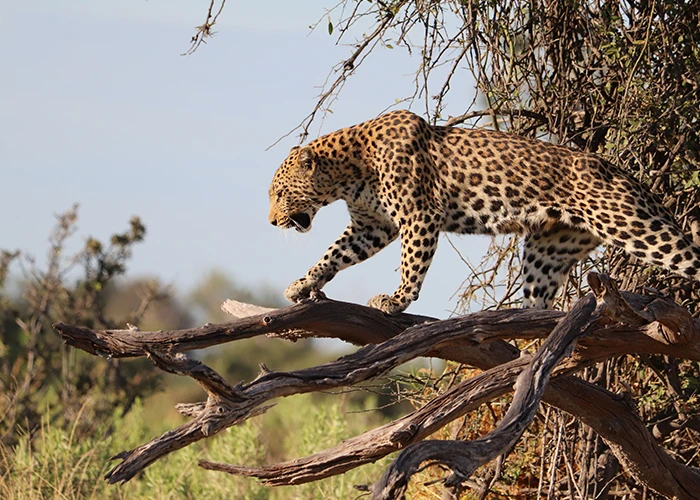
This is one of the few places in Kenya where you might encounter Giza, Laikipia’s celebrated black leopard, born and raised within a few hundred metres of camp. Sightings are tightly managed and never guaranteed, but the surrounding 70,000 acres offer plenty else to occupy your lens in the meantime: walking safaris, night drives, and a landscape that shifts from floodplain to escarpment within a single afternoon’s drive.
Day 8 & 9: Two full days in Laikipia Wilderness
Two days to explore this unfenced, family-owned wilderness at your own pace. Game drives reveal a landscape genuinely different from the grasslands further south: river gorges, rocky outcrops, and open plains that host elephant, buffalo, and healthy predator populations including lion and African wild dog. Walking safaris here are a particular highlight, putting you on foot in genuinely wild country with an experienced guide reading every track and call.
For photographers, the appeal of Laikipia Wilderness lies in its unhurried pace and lack of crowds. There is room here to wait for a sighting to develop rather than move on, and the quality of light across the gorges in early morning and late afternoon is some of the most striking in the region.
Day 10: Drive to Kicheche Laikipia Camp
A scenic road transfer brings you into Ol Pejeta Conservancy, one of East Africa’s most significant conservation success stories and now home to Kenya’s largest black rhino population, along with the last two northern white rhinos remaining on the planet. You’ll arrive at Kicheche Laikipia, a small, six-tent camp set at the edge of indigenous forest beside an active waterhole, with Mount Kenya standing watch in the distance.
Settle in over lunch with views across water that draws elephant, buffalo, and plains game throughout the day, then head out on your first game drive into the conservancy’s varied terrain of woodland, grassland, and rocky canyon.
Day 11: Full day at Kicheche Laikipia
A full day to explore Ol Pejeta’s 90,000 acres, with rhino encounters at the centre of the experience. Morning walking safaris, accompanied by an armed ranger, offer a genuine chance of close, on-foot sightings of black rhino grazing in open country, alongside the more visible white rhino population. The camp’s vehicles are purpose-built for photographers, with retractable roofs, bean bags, and padded rests designed to steady a long lens through a full morning in the field.
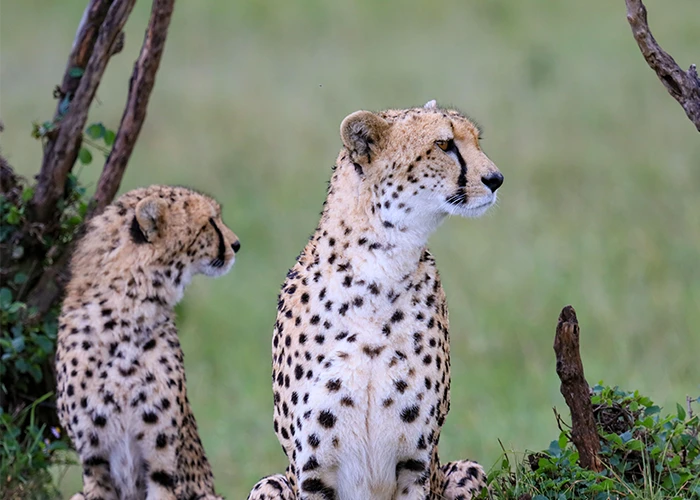
Beyond rhino, Ol Pejeta holds healthy numbers of lion, cheetah, leopard, and African wild dog, along with northern specialist species rarely seen further south: Grevy’s zebra, Jackson’s hartebeest, and the striking Beisa oryx. An optional visit to the enclosure housing the world’s last two northern white rhinos is one of the more sobering, unforgettable moments of any Kenya safari.
Day 12: Fly to Kicheche Naboisho Conservancy in Masai Mara
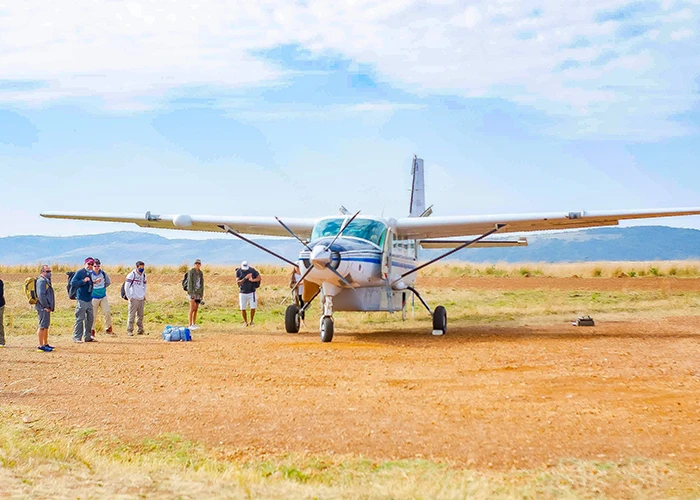
A flight south carries you over the Rift Valley and into the heart of the Maasai Mara ecosystem, landing within reach of the Naboisho Conservancy. The name means “coming together” in the Maa language, an apt description for a 52,000-acre community conservancy that has become one of the finest wildlife areas in Kenya, with some of the highest lion densities found anywhere in Africa.
You’ll settle into Kicheche Naboisho, a six-tent camp set on a secluded hillside above the conservancy’s acacia woodlands and open valleys. An afternoon game drive offers your first taste of what’s ahead: a landscape with the highest density of giraffe in the entire Mara ecosystem, and resident lion prides numbering well over a hundred individuals across the conservancy.
Day 13 & 14: Two full days in Naboisho Conservancy, Masai Mara
Two unhurried days to work one of East Africa’s premier conservancies for big cats. Naboisho’s strict limits on vehicle numbers mean sightings unfold without the crowding common in busier parts of the Mara ecosystem, giving you the rare luxury of time: time to wait for a pride to wake, time to follow a hunt to its conclusion, time to let your guide position the vehicle exactly where the light and the action demand.
Day and night drives, walking safaris, and the option of a dawn balloon flight over the wider Mara landscape round out your time here. Evenings are spent around the fire, reviewing the day’s images with elephant calls carrying across the valley and lion roars drifting in from somewhere out in the dark.
Day 15: Journey’s End – Fly to Nairobi, transfer to Jomo Kenyatta International Airport
A final flight returns you to Nairobi, where you’ll connect directly to Jomo Kenyatta International Airport for your departure. Fifteen days, two countries, and five distinct wildernesses later, you leave with more than photographs: a working knowledge of the light across the Lamai Wedge at dawn, the patience that comes with waiting on a rhino in Laikipia’s forest, and a memory card that tells the story of one of the great photographic journeys in Africa.
Best time to travel: July through October offers the strongest chance of the Mara River crossings in the Lamai Wedge, alongside excellent dry-season game viewing throughout Laikipia and the Mara conservancies. January and February bring drier conditions and exceptional clarity for photography across all five regions, with calving season adding predator action to the Serengeti leg.
A note on pacing: This itinerary deliberately allows multiple nights at each camp rather than constant movement, because photography rewards familiarity with a landscape. Each stop has been chosen specifically for its guiding quality, photographic vehicle specifications, and the particular wildlife story it tells, from the river crossings of the Lamai Wedge to the rhino conservation work of Ol Pejeta and the lion-dense conservancies of the Mara.
Every Trevaron safari is shaped around you. Tell us what you’re dreaming of and our safari designers will tailor every detail around your pace, your group, and the moments that matter most.