
Photography Safaris
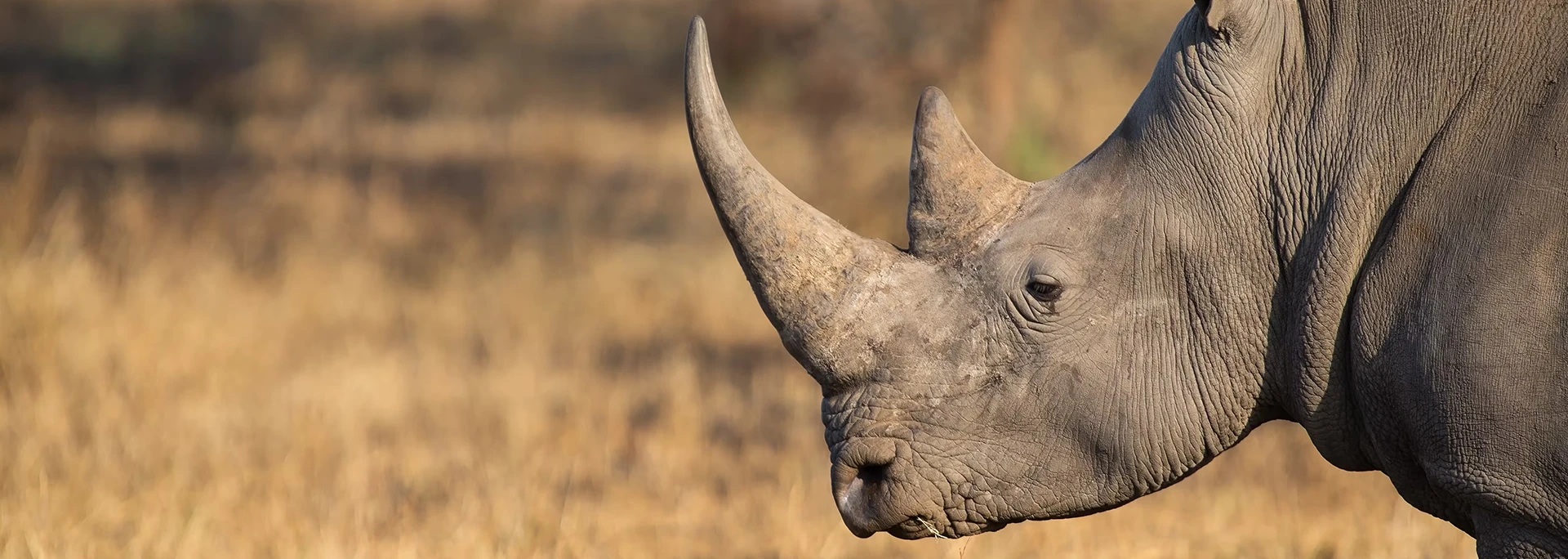
There is a particular kind of silence that falls over the bush in the seconds before something happens: a lioness lifting her head, a herd of wildebeest hesitating at a riverbank, the light turning gold along a ridge of acacia. Photography safaris are built entirely around that silence, and around the patience it takes to be there when it breaks.
This is safari photography stripped of compromise. Vehicles fitted with bean bags and low, unobstructed window lines. Guides who read light and position as instinctively as they read tracks, holding a sighting at the angle that serves your lens rather than the nearest convenient view. Camps chosen specifically for what surrounds them, whether that’s the river crossings of the Lamai Wedge, the black rhino of Laikipia’s forest margins, or the lion-dense conservancies bordering the Maasai Mara. Time, too, matters more here than almost anywhere else in travel: multiple nights in each location, mornings that begin before the light does, and a pace built around waiting rather than ticking off destinations.
20+ of guiding photographers through Kenya and Tanzania has taught us where the light falls best, which camps put you closest to the action without crowding it, and how to read a landscape the way a photographer needs it read. Every itinerary in this collection has been shaped around those lessons, from classic migration circuits to journeys built around the rarest, most distinctive species this region has to offer.
Browse our handcrafted photography safari itineraries below, or speak to our safari designers to build a journey shaped entirely around the images you’re hoping to bring home.
Photography Safaris
Explore our Safaris
Intimate, extraordinary and exclusive, each of our trip is unique. From top safari destinations to off-the-beaten-track experiences, world class beaches and incredible activities, we’ll customise a once-in-a-lifetime itinerary that reflects your interests, passions and dreams.

Travel Guide for your next Wildebeest Migration Safari
Frequently Asked Questions
What makes a safari good for photography specifically?
Vehicles fitted with bean bags and unobstructed window space, guides trained to position for light rather than just proximity, and an itinerary that allows multiple nights in each location rather than rushing between parks. Our photography safaris are built around all three.
Do I need professional camera equipment to join a photography safari?
Not at all. These itineraries suit anyone wanting a slower, more considered pace and better positioning for sightings, whether you’re shooting with a phone or a full case of lenses. The pacing and guiding benefit every level of photographer.
What's the best time of day for wildlife photography in Kenya and Tanzania?
Early morning and late afternoon offer the richest light and the most active wildlife, which is why our photography itineraries are built around dawn departures and extended afternoon drives, with the warmer midday hours left for rest or reviewing your shots.
Can a photography safari be combined with gorilla trekking?
Yes. Several of our itineraries pair classic photography safari days with gorilla trekking in Rwanda’s Volcanoes National Park, though note that flash photography isn’t permitted during gorilla encounters, so this is best treated as a distinct, special experience within the trip rather than a typical shoot.